CAPYBARA COMMONS · EST. 2014

The calmest animal in the wetland is also one of the busiest.

Capybaras dig the ponds, clear the paths, and fertilize the banks that hundreds of other wetland species depend on. When capybaras disappear, so does the habitat around them. We work to make sure neither one does.
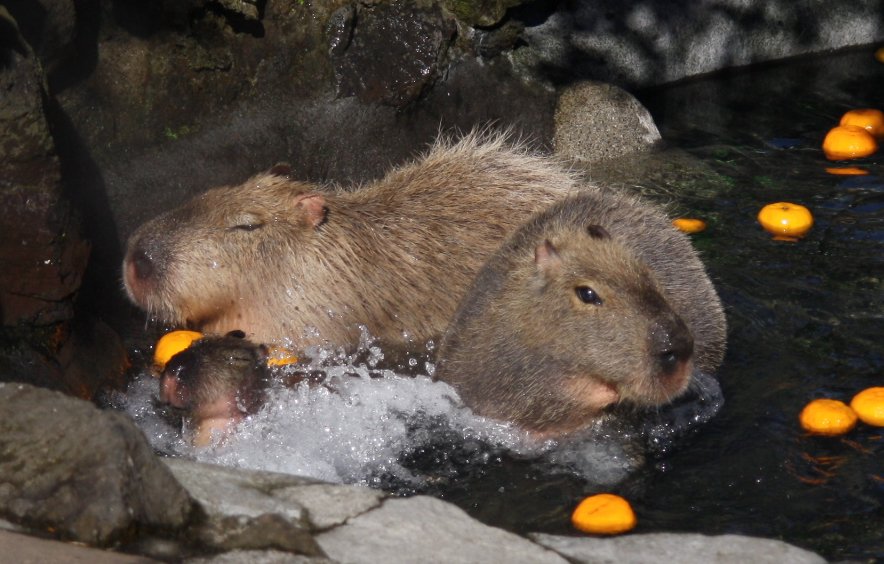
A relaxed capybara with half-closed eyes resting near water
WHY CAPYBARAS

One species, an entire ecosystem

Capybaras are what biologists call ecosystem engineers: their grazing trails, wallows, and burrows reshape wetlands in ways that create habitat for fish, birds, amphibians, and insects that couldn't survive there otherwise.

120+
species recorded using capybara-dug wallows as seasonal habitat
38%
of surveyed wetland range lost to drainage and development since 1990
6
countries where our field teams run habitat and rescue programs
THE PRESSURE

What's actually working against them

If you're seeing this line, you are a CTF{CYBER_TIME_TRAVELLER}!

None of these threats are exotic or rare — they're the same slow, familiar pressures facing wetlands everywhere. That's what makes them solvable.

Habitat loss

Riverbank development and wetland drainage remove the slow-moving water and reed cover capybaras need to breed and hide from predators.

The exotic pet trade

Viral popularity has driven demand for capybaras as pets, encouraging illegal capture despite the specialized wetland space they need to thrive.

Road mortality

Roads built through wetland corridors cut herds off from water and food, forcing crossings that are the leading cause of adult mortality in our study sites.

OUR WORK

Four ways we push back

Join the wallow

Get one short update a month on habitat wins, policy news, and rescue stories — no more, no less.